


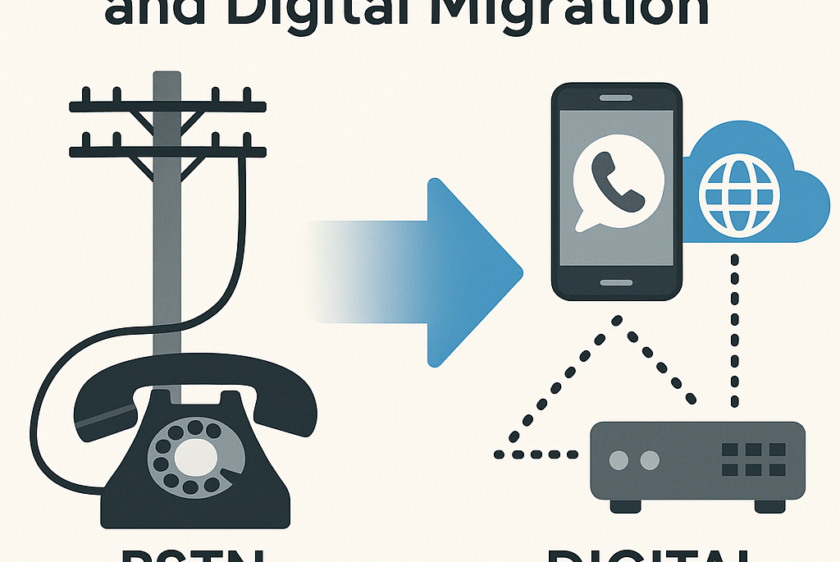
Digital Switchover – BT’s PSTN Cut-Off Delay and the Role of Gemini in Supporting IP-Based Communications
The long-anticipated migration from the traditional Public Switched Telephone Network (PSTN) to digital IP-based communications represents a significant shift across numerous industries, particularly within the alarm sector. Although BT has recently postponed the PSTN cut-off date, this transition remains imminent. Alarm providers must therefore act proactively to ensure uninterrupted service and regulatory compliance.
Understanding the PSTN Switch-Off and Its Significance
For decades, PSTN has served as the foundation of telephony. However, as technology advances, maintaining these legacy systems becomes increasingly costly and inefficient. The digital switchover entails a full migration of voice and data traffic to IP networks, delivering enhanced flexibility and future-proofing.
Within the alarm sector, which depends heavily on stable and secure communication channels for life safety and security monitoring, this change is critical. Any disruption could adversely affect response times or system integrity.
BT’s Delay: Implications for the Alarm Sector
BT’s decision to postpone the PSTN switch-off deadline was intended to facilitate a smoother transition for customers and businesses, given the scale of change involved. Nevertheless, this delay should not engender complacency.
Alarm system providers and end users must acknowledge that the legacy PSTN infrastructure will ultimately be retired. Continued reliance on outdated systems entails risks including diminished reliability, reduced support, and potential non-compliance with regulatory standards.
Transitioning to IP-Based Communications
IP-based telephony offers numerous advantages, including enhanced data capabilities, improved scalability, and cost efficiencies. However, transitioning to IP presents several challenges:
- Ensuring compatibility with existing alarm hardware
- Maintaining compliance with regulatory requirements and standards
- Addressing cybersecurity risks inherent to IP networks
Gemini’s Support for the Alarm Sector’s Transition
At Gemini, we appreciate the unique challenges faced by alarm providers during this digital shift. Our solutions are designed to enable a seamless migration to IP communications, offering:
- **Reliability:** Robust network uptime to ensure alarms remain continuously connected
- **Security:** Advanced protections to safeguard sensitive alarm data and prevent breaches
- **Compatibility:** Integration options that support a wide range of existing alarm systems
- **Future-Proofing:** Scalable infrastructure adaptable to evolving technologies and standards
Beyond technology, Gemini delivers comprehensive support and training to empower your team to manage the transition confidently and efficiently.
Preparing for the Future: Recommended Actions
Stakeholders in the alarm sector should begin by assessing their current systems’ readiness for IP migration. Planning upgrades aligned with the revised PSTN cut-off timeline will help avoid last-minute disruptions.
Leveraging Gemini’s tools and expertise can simplify this process, ensuring your operations remain secure, compliant, and fully connected well into the future.
—
While the PSTN cut-off delay provides temporary relief, the digital switchover is rapidly approaching. Taking proactive steps today will safeguard your alarm systems and customers tomorrow. Gemini is committed to supporting you throughout this transition.




